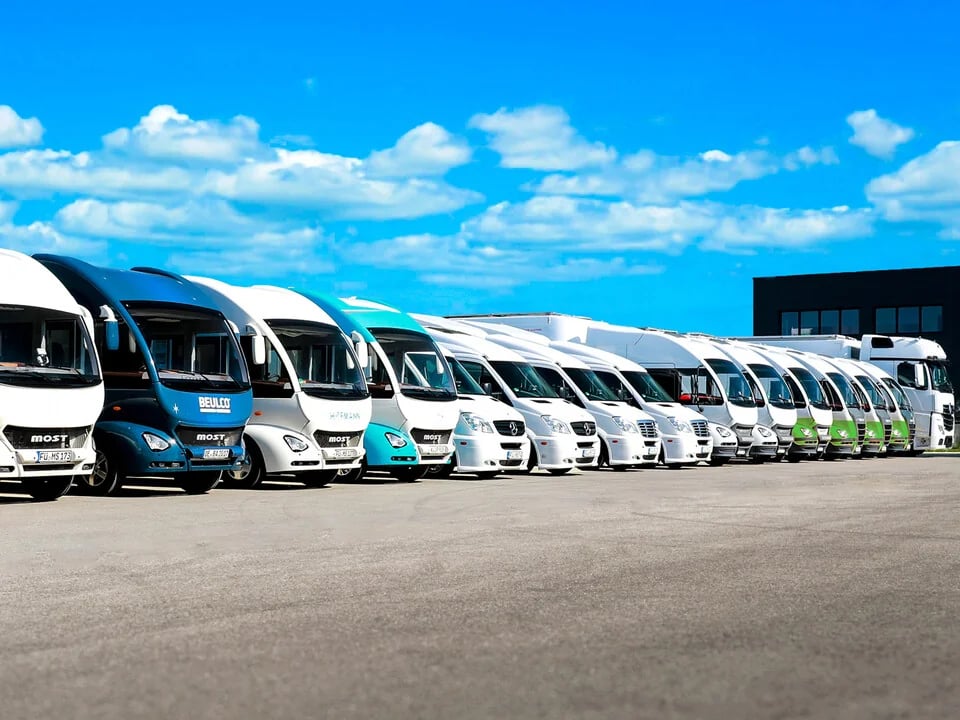

How to lower the cost per day on the road: reuse branding and fit-out, bring in other countries and departments, and repeat tours regularly.
Contents
Branding and fit-out are one-off costs
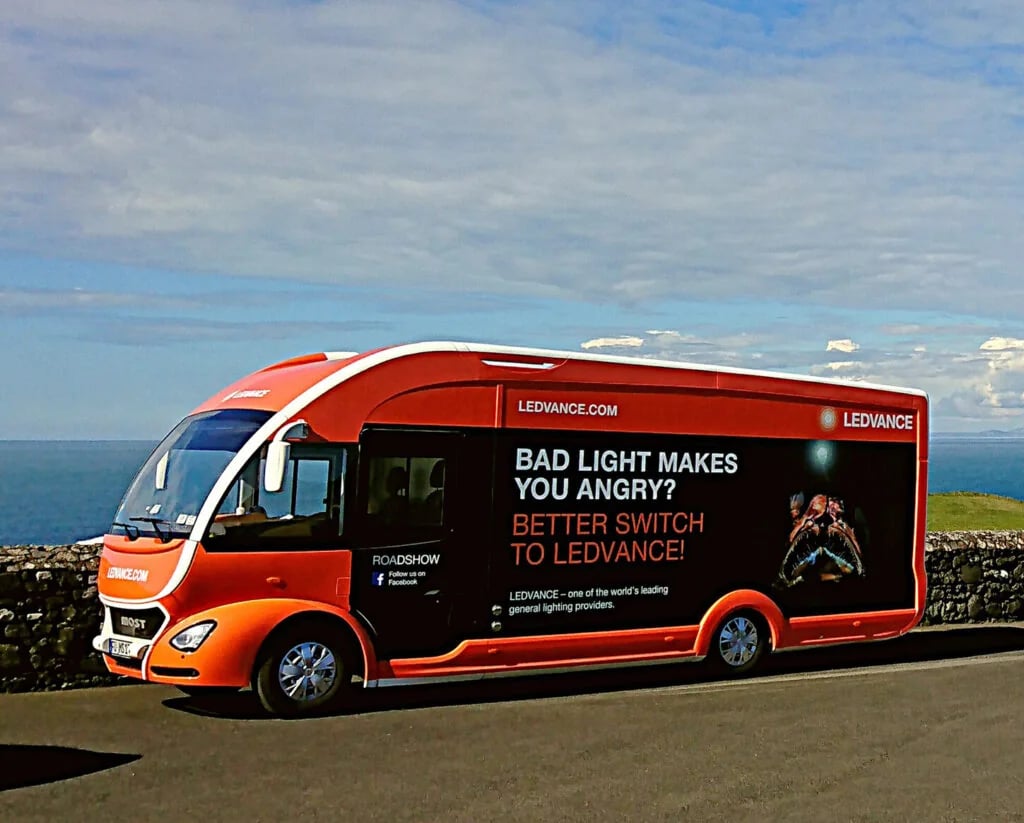
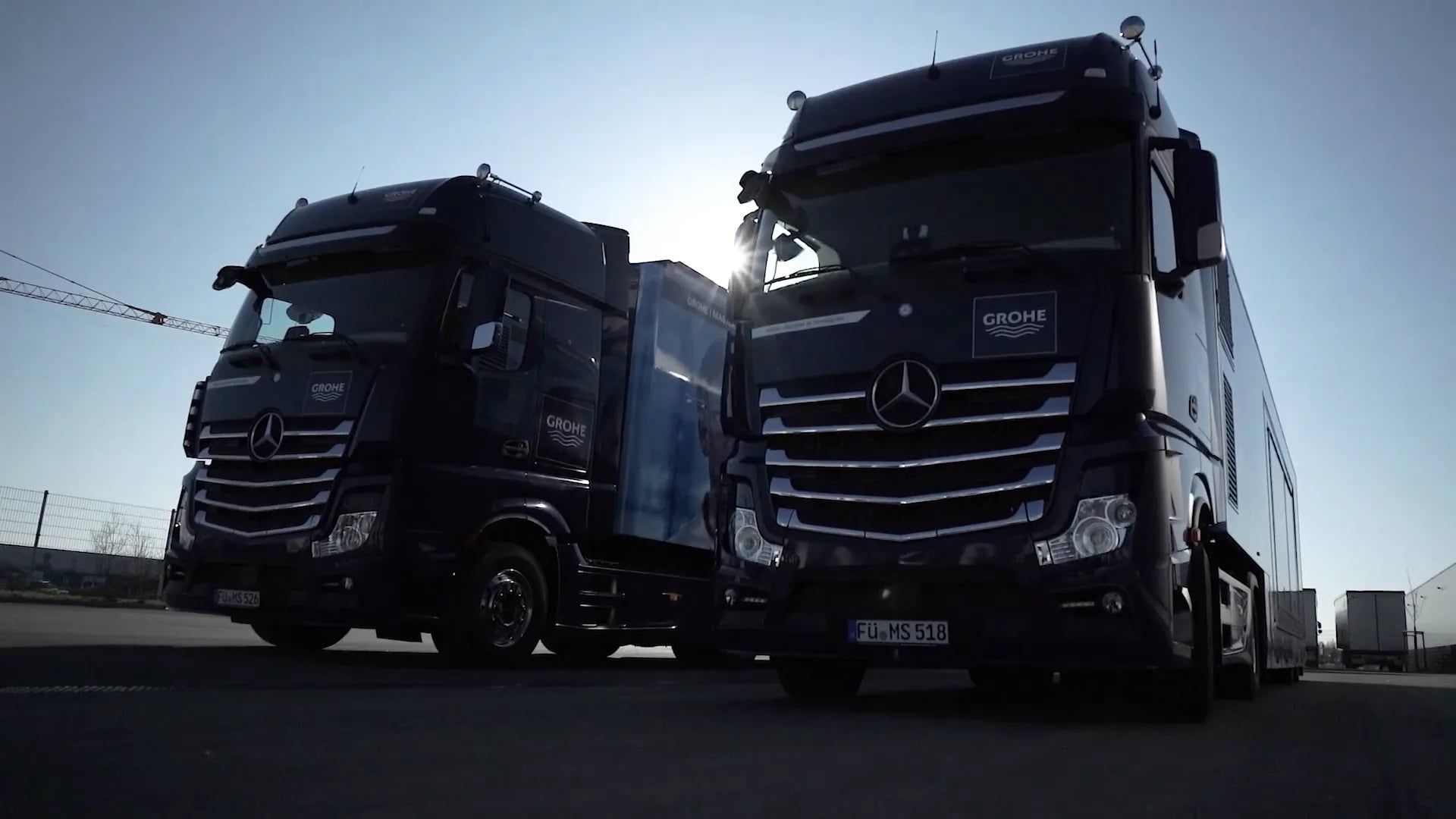
An eye-catching showtruck takes your brand onto the road. With well-designed branding it stands out at junctions, at events, outside supermarkets and on the motorway, and above all to your target audience.
Printed vinyl wrap, available with an anti-graffiti coating if required, lets you finish every mobile showroom and showtruck in your exact corporate colours, on every exterior surface and inside as well. For creative teams at agencies and in-house, it is a rewarding brief: putting a corporate design, a product style or an entire product world onto a vehicle. There is more room to play than with car wrapping in the tuning scene.
Welcome customers the way they know you
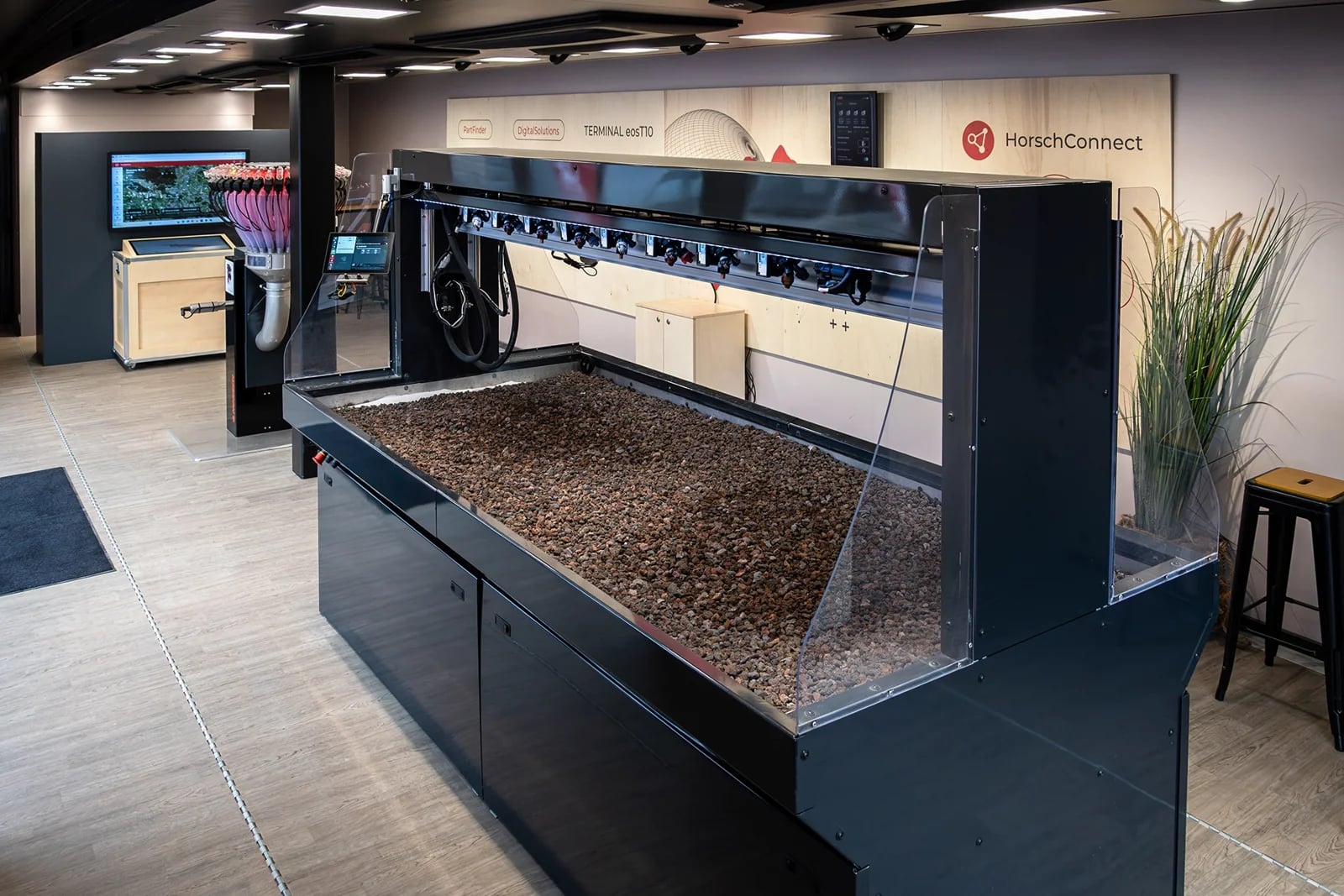
The interior deserves the same care. It should look the way your customers know you from trade fairs or from the showroom at your premises. If you plan that thoroughly, you have done a lot right. Which makes it all the more important to ask how often and for how long that presence will be used.
Use the vehicle across borders
It would be a shame to use such a carefully designed brand space on wheels in just one region or for a small circle of customers. The branding and fit-out have already been paid for. Sales colleagues in other European countries are usually glad to use the finished vehicle for their key direct customers or distributors.
Often all it takes is translating a few texts into the local language. After, say, two months touring Germany, the vehicle moves on to Italy, France and the Benelux countries, or spends a few days with colleagues in Greece. Ideally there is a cost allocation key so that each country contributes to the cost of the design.
The maths is simple: the longer and more often a fully equipped marketing vehicle is on the road, the lower the cost per promotion day in retail or per event.
Colleagues in countries with a smaller share of sales can then say:
"Now I can afford a small roadshow of my own, because the branding and interior have already been paid for."
Smaller subsidiaries tag on to the end of the main country's roadshow and benefit from what was learned on the previous tour. The savings go beyond production and installation. The concept, rounds of feedback, layout and adjustments to the vehicle all took time and money up front. Those are one-off costs and should be treated as such.
Regular as an advertising series
A single advert achieves very little, whatever the publication. The page is turned in seconds. Impact comes from appearing regularly and from running the same message in other newspapers and magazines.
Print advertising is a classic above-the-line channel. It has one thing in common with roadshows: a single advert does as little as a roadshow lasting only a few days.
As a rule, a roadshow should run for at least a month. Ideally, companies repeat it year after year, like an advertising series.
One vehicle for several departments
Commercially, the best case is for the branded vehicle, fitted out for product presentations, to be used by other departments as well over several years. That is straightforward if the basic interior is designed from the start to switch between different product or service groups:
- The branding changes with the product group or product name.
- Elements can be swapped at any time on a plug-and-play basis.
- Pre-assembled interior walls save a considerable amount of money.
- Reuse saves resources.
The three main ways to save
- Once the tour is over, a fully designed promotion truck can be used in other countries at low cost.
- As an above-the-line measure, a roadshow only works when it is repeated regularly.
- The longer and more intensively a truck is used, the cheaper each deployment becomes, and each day as a highly visible mobile advertising space.