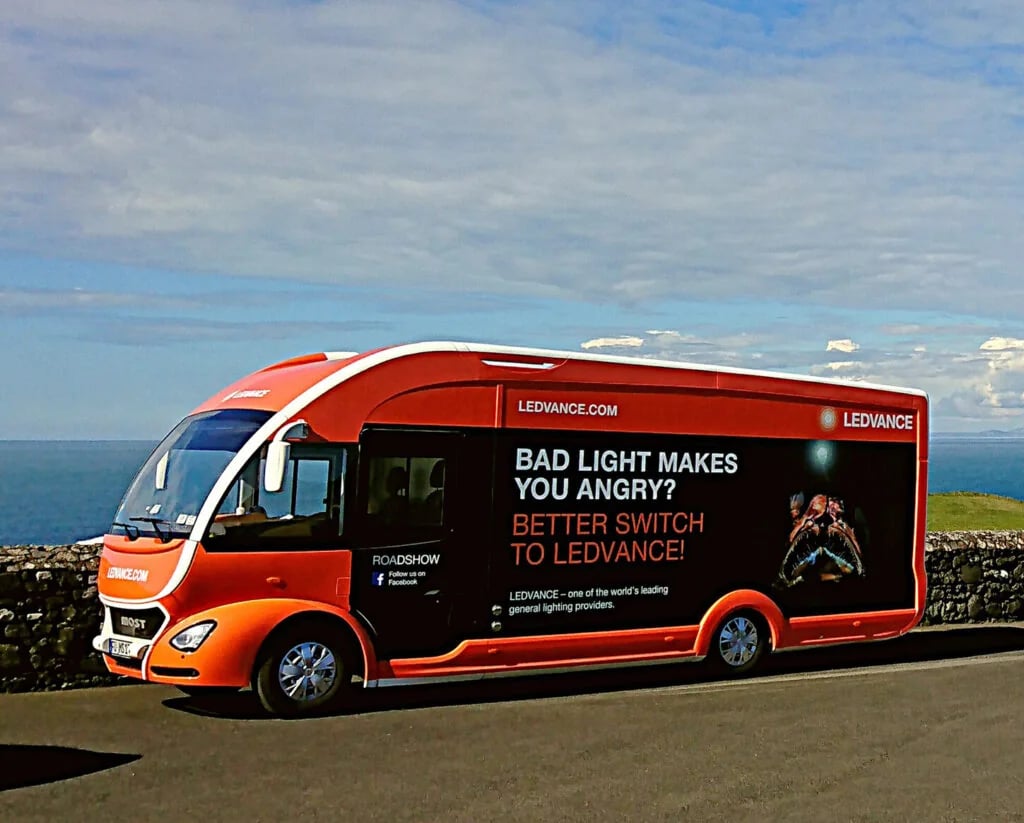
Buying, leasing, hiring or a hybrid model: how length of use, vehicle size, in-house operation and upkeep affect the showtruck decision.
Contents
Few questions about a professional marketing vehicle are as tricky to answer in financial terms as this one: should you buy or hire a mobile showroom or showtruck?
If you are going on the road once, for a few weeks or months, buying is not worth considering. It is a different matter if the tour is to be repeated in the same period in the following years, or if a campaign is planned from the outset to run for several years with a vehicle in permanent use. Surely it then makes sense to buy the vehicle rather than pay what is presumably more to hire it?
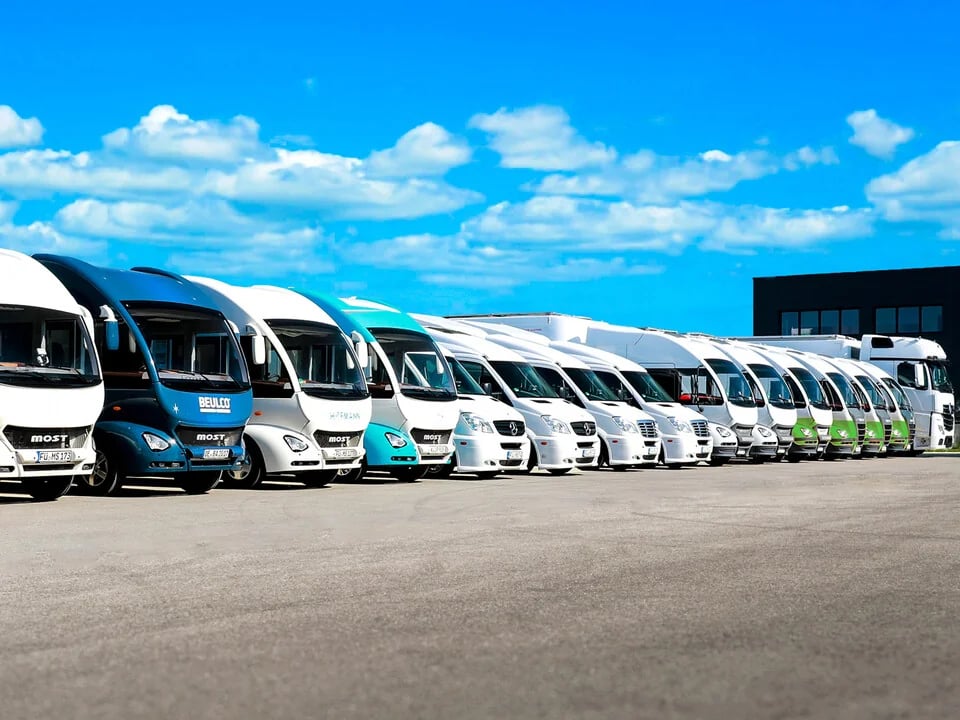
Anyone planning at scale has further questions. What if several vehicles are needed, all year round or in recurring blocks? And where does the fleet stay between assignments: at one central site or spread across several?
If you look at the key points one by one in terms of cost-effectiveness, practicality and future needs, finding the right solution for your company is fairly straightforward.
Buying, leasing, hiring or a mix
The rule of thumb "the longer you use it, the more worthwhile it is to buy" only answers part of the question. You also need to consider:
- the foreseeable effort of upkeep
- servicing and repairs
- fleet management
Ownership brings obligations, and the company has to be able to meet them organisationally and over the long term.
Costs are easier to manage with full-service leasing or, with a more flexible term, full-service hire:
- Costs are easy to see from the start.
- The provider looks after the vehicle and carries the risk of damage.
- Repairs and regular inspections are included in a flat rate.
The answer may also lie somewhere between buying and hiring. With a hybrid solution you buy the vehicle, which can be more attractive for tax or cost reasons, and have it fully looked after under an operating and hosting contract.
How long will the vehicle be in use?
If the total period of use is definitely shorter than 24 months, buying is usually not worthwhile. The shorter the use from the date of purchase, the higher the proportional loss in value. The effort of reselling, and the often considerable discount after a short period of use, should not be underestimated.
Even with more than three years of use, buying is not automatically cheaper than hiring. It depends on the type of vehicle and on how high its running costs and handling effort are.
Tip for buyers: ask your vehicle supplier whether you can return the vehicle at a guaranteed residual value once the planned period of use is over.
How much does vehicle size matter?
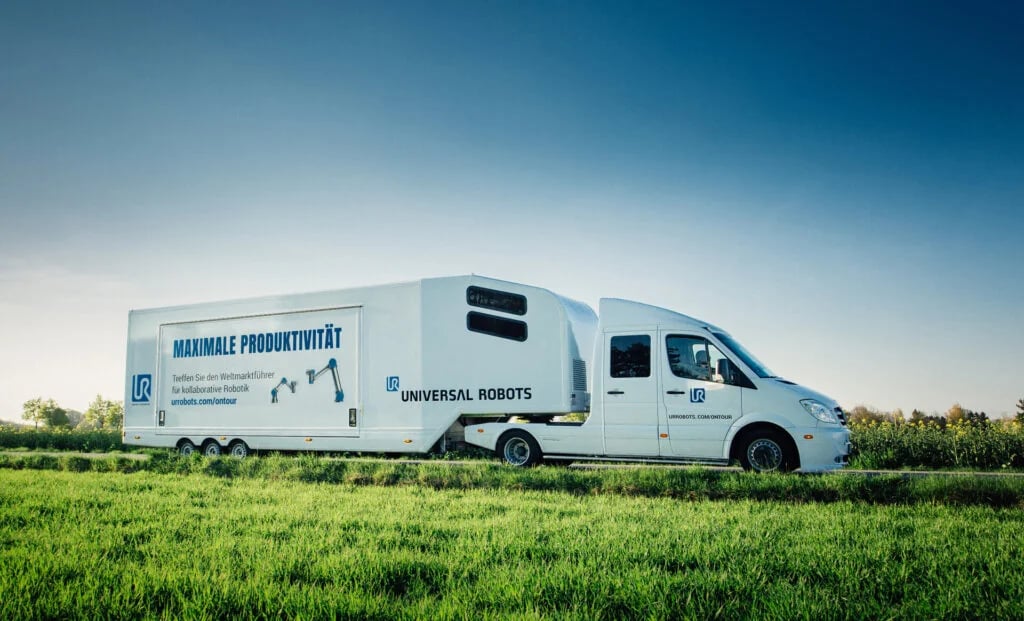
Size and weight are among the most important criteria. A sales and information trailer for a car or van (a Sprinter or VW bus, for example) is well suited to buying. The same goes for a trailer that serves as a generous mobile exhibition stand, such as the MOST CUBE, which is built from an aircraft-style honeycomb structure.
A presentation and sales tool of this kind costs very little even when it stands idle for longer periods. There is no engine to service, and if you keep an eye on the axles and tyre pressure, a trailer-based pop-up store or info stand is the obvious candidate for buying.
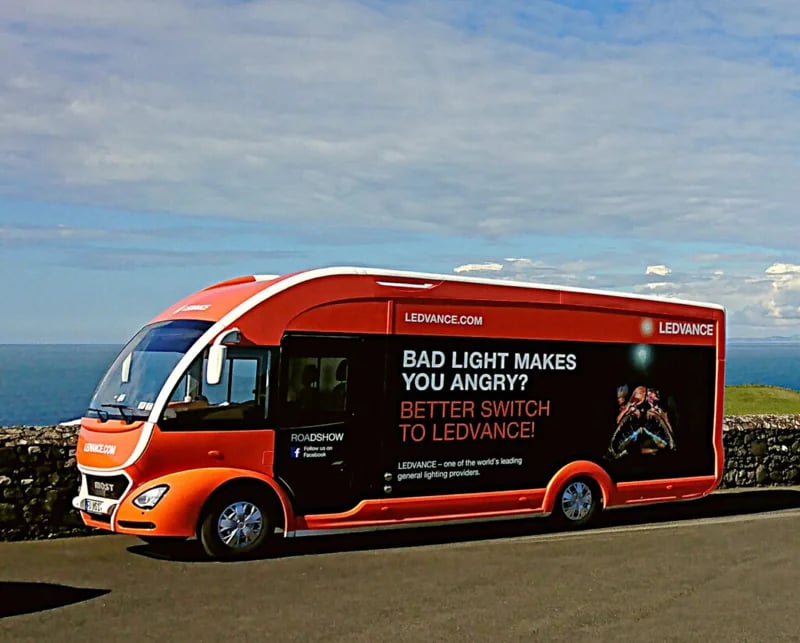
A mobile showroom in the 3.5-tonne class is easier still. It can be driven on a standard car licence (category B), so your own staff can drive it, which is another argument for buying. If you do not want to run it yourself, you can add operating services for the trailer combination or mobile showroom. On that basis, buying a small articulated truck can also make sense. Less weight means less technology and therefore lower upkeep costs.
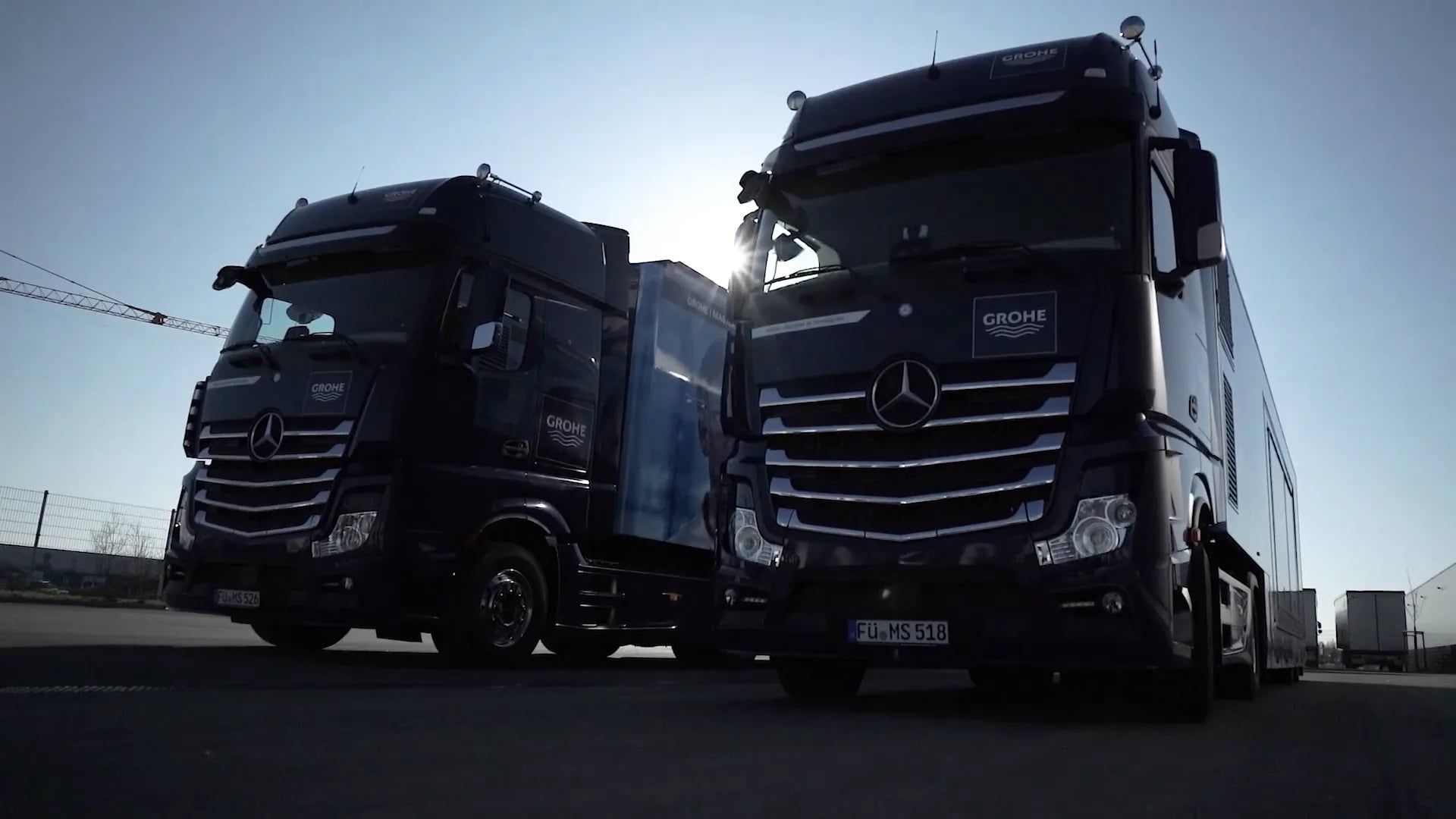
Large showtrucks are a different story. Semi-trailers that expand several times over into showrooms cost from 600,000 euros to almost one million to buy. Anyone buying at this level needs many years of experience in running such vehicles and must be prepared to carry high upkeep costs.
Incidentally, the German tax authorities assume a depreciation period of 11 years for this class, so buying does little to reduce your tax bill.
Tip: the smaller the marketing vehicle, the stronger the case for buying. Leasing, up to and including full-service support, usually makes internal decisions simpler and quicker.
Is owning better than chartering?
Either way, the showtruck is branded inside and out in your corporate design, and ideally the interior is planned so that several product lines or business units can use it. Where the vehicle is registered, its home port so to speak, therefore rarely matters.
Tax considerations may favour buying and, to a lesser extent, leasing. What room for manoeuvre makes sense has to be clarified case by case.
Company pride often counts for more than any tax saving. The number plate shows who owns the showtruck or mobile showroom, and the company demonstrates its capacity for innovation and its strength in the market. If running the vehicle yourself also promises clear savings, sailing under your own flag may well be the better choice than a chartered showtruck. With a chartered vehicle, however, you never have to think about upkeep costs at all.
Does it make sense to run the vehicle yourself?
That depends on what the vehicle is for and how big it is. Operating a vehicle requires qualified staff, both on tour and in-house. Up to the size of a mobile showroom or trailer combination, this usually works without difficulty. The larger the vehicle, the more costs are added, for example:
- recruitment
- training and pay for truck managers
- scheduling and dispatching
In short: whether you buy or hire, the bigger the vehicle, the more sense it makes to let someone else do the driving.
Tip for buyers: ask your supplier about relief drivers for holiday periods and sudden absences.
What does upkeep involve?
Keeping a marketing vehicle in your own fleet is not rocket science. It does, however, require certain infrastructure, and you need to know your legal obligations. How this feels in day-to-day work depends on your operation and your team. These points are always part of it:
- a secure parking space between assignments, ideally a hall given the vehicle's value
- a power connection right next to the vehicle to keep the batteries charged
- someone who knows the vehicle and its technology
- regular runs during longer idle periods, plus the pre-departure check before every journey
- in addition to the usual roadworthiness tests, regular accident-prevention (UVV) inspections and testing of electrical equipment
- for double-deck trailers or structures over 5 metres high, further inspection duties as so-called temporary structures
- a qualified workshop for leak tests and servicing equipment such as air conditioning and the generator
Tip: recurring safety checks can be outsourced. Under a hosting and operating contract, or when you hire, the service provider is responsible for these duties.