Why a roadshow often gets more out of a marketing budget than a trade fair, what it costs, and how to plan, run and measure one.
Contents
How do you get more out of your marketing budget, keep existing customers and reach new ones at the same time? A roadshow is a proven way to do it, whether your company is a global corporation or a mid-sized business. What works for large companies can be applied to almost any size of business and any sector.
Trade fairs no longer work the way they used to
Trade fairs and the upkeep of a stand tend to be inflexible, have limited reach and are hard to measure. At worst they eat into the budget without giving much back.
On top of that, many companies are cutting back on business travel and no longer see a trade fair visit as the best use of their time. The trade fair landscape has changed a great deal in recent years. It has partly recovered, but it is not what it was, and market forecasts do not expect that to change. Travel budgets are shrinking and decision-makers are less willing to travel long distances. One of the main tools for winning new customers and keeping existing ones has lost some of its effect.
Which leaves marketing managers with a question:
How do we stay in touch with existing customers and win new ones in a way that sets us apart from the competition?
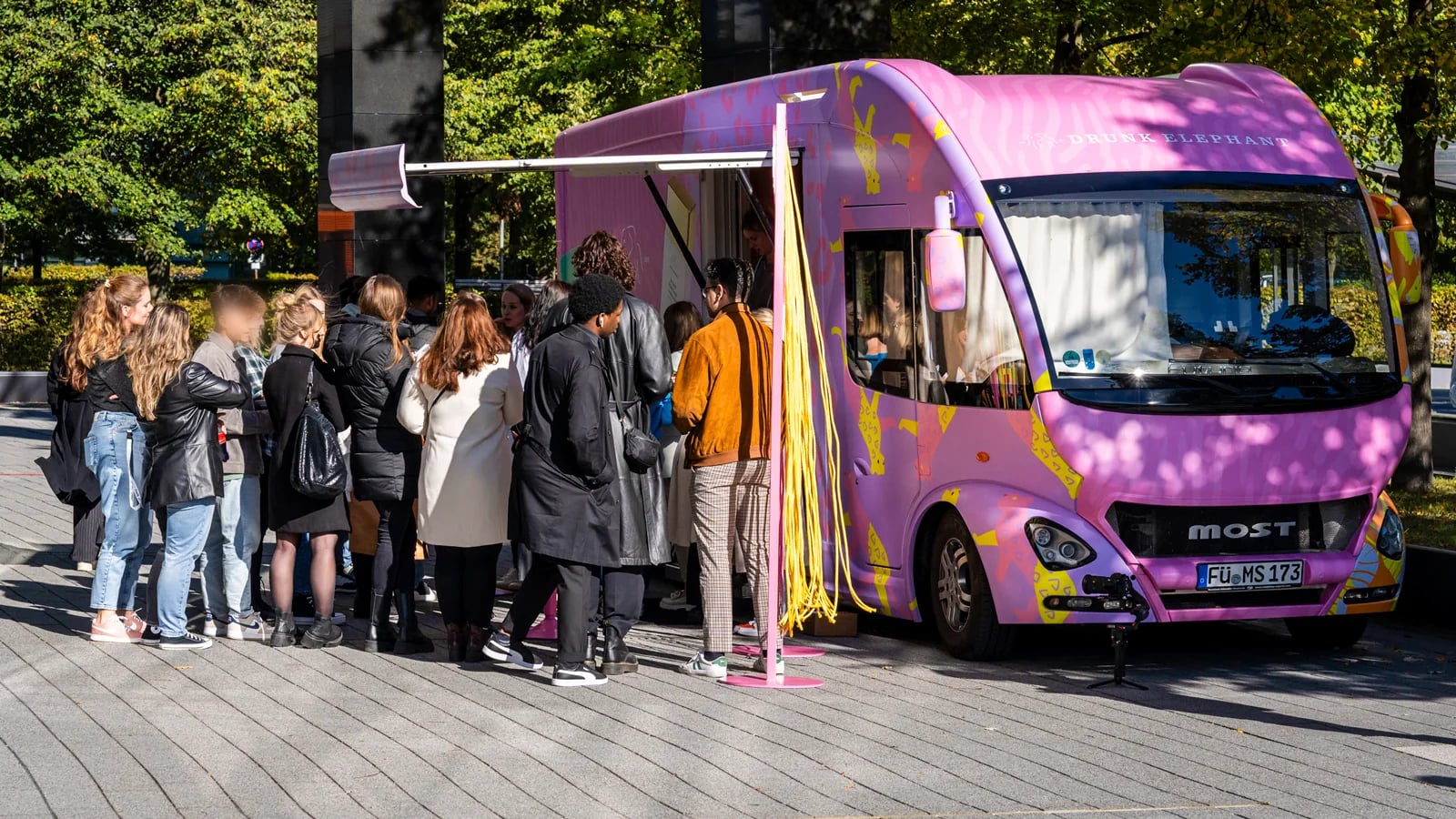
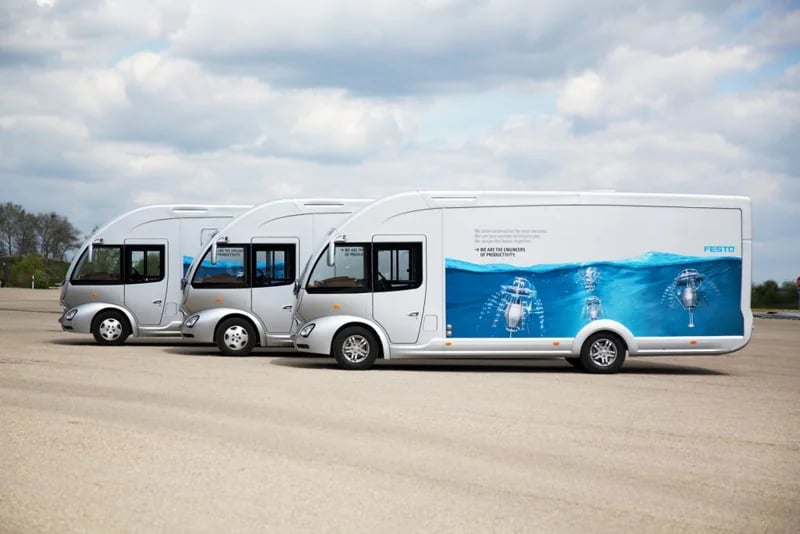
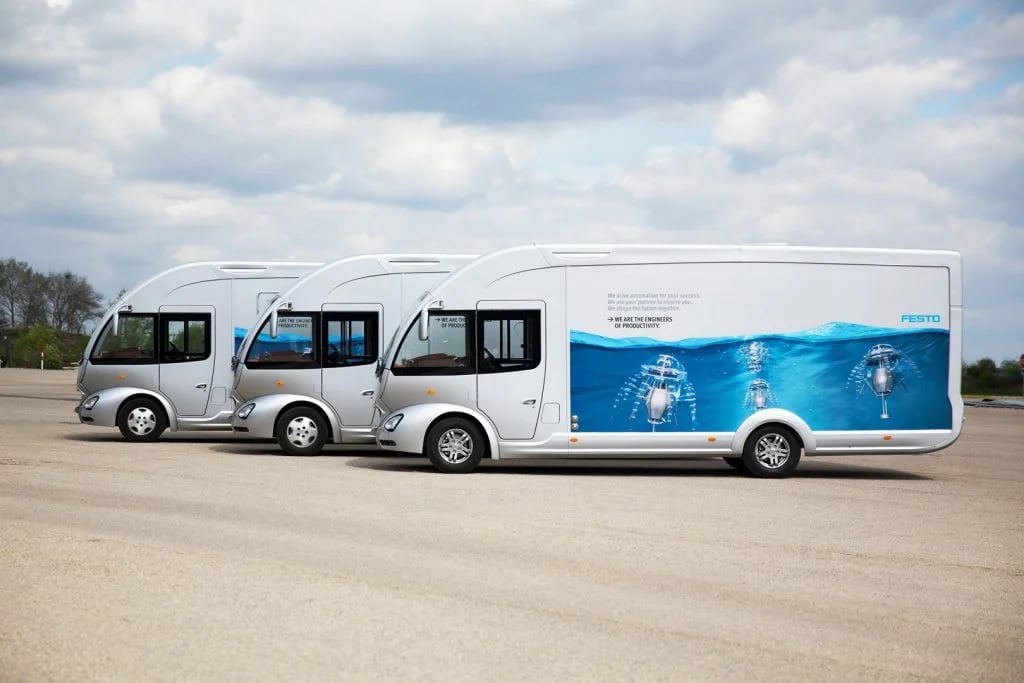
A well-planned roadshow is one answer. It is more than a trade fair stand on wheels, because you decide when and where it happens and you go straight to where your customers actually are.
MOST has delivered this in more than 850 projects, for clients including Google, Caterpillar, Zeiss and BearingPoint. Our experience shows that the roadshow model works across sectors, from highly complex B2B solutions in medical technology to hospitality concepts.
Why a roadshow pays off
You go to the customer. At a trade fair you hope your target audience will drop by. A roadshow travels to wherever you can reach existing and prospective customers. Zeiss, for example, worked with us to take one of the most advanced networking solutions in ophthalmology straight to decision-makers in hospitals by showtruck.
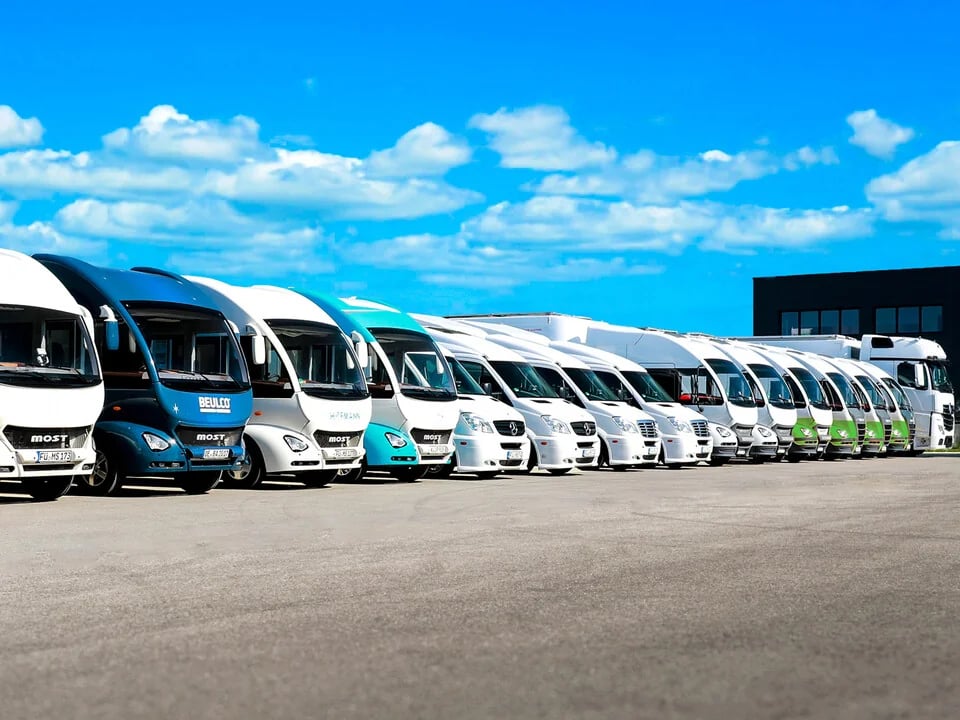
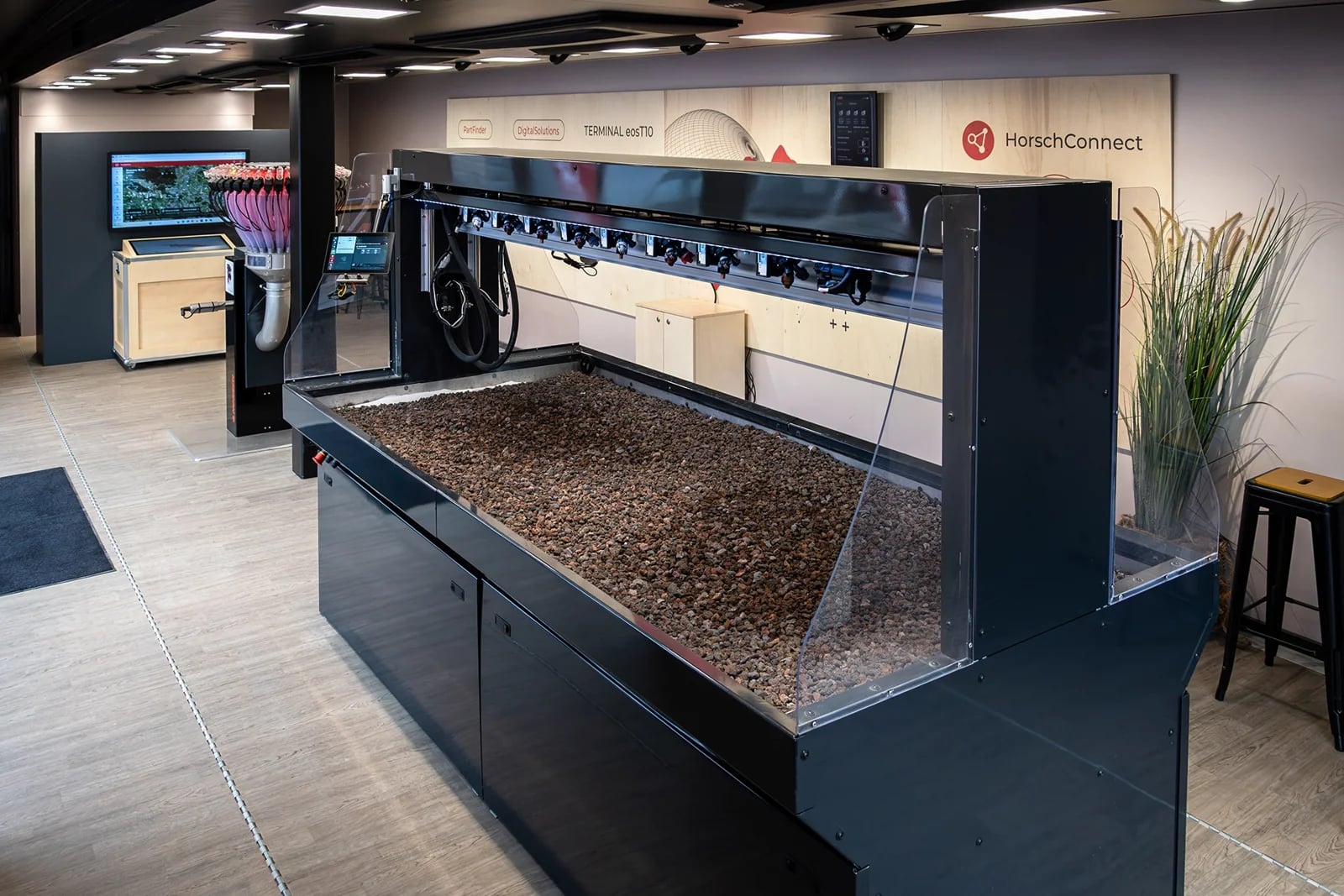
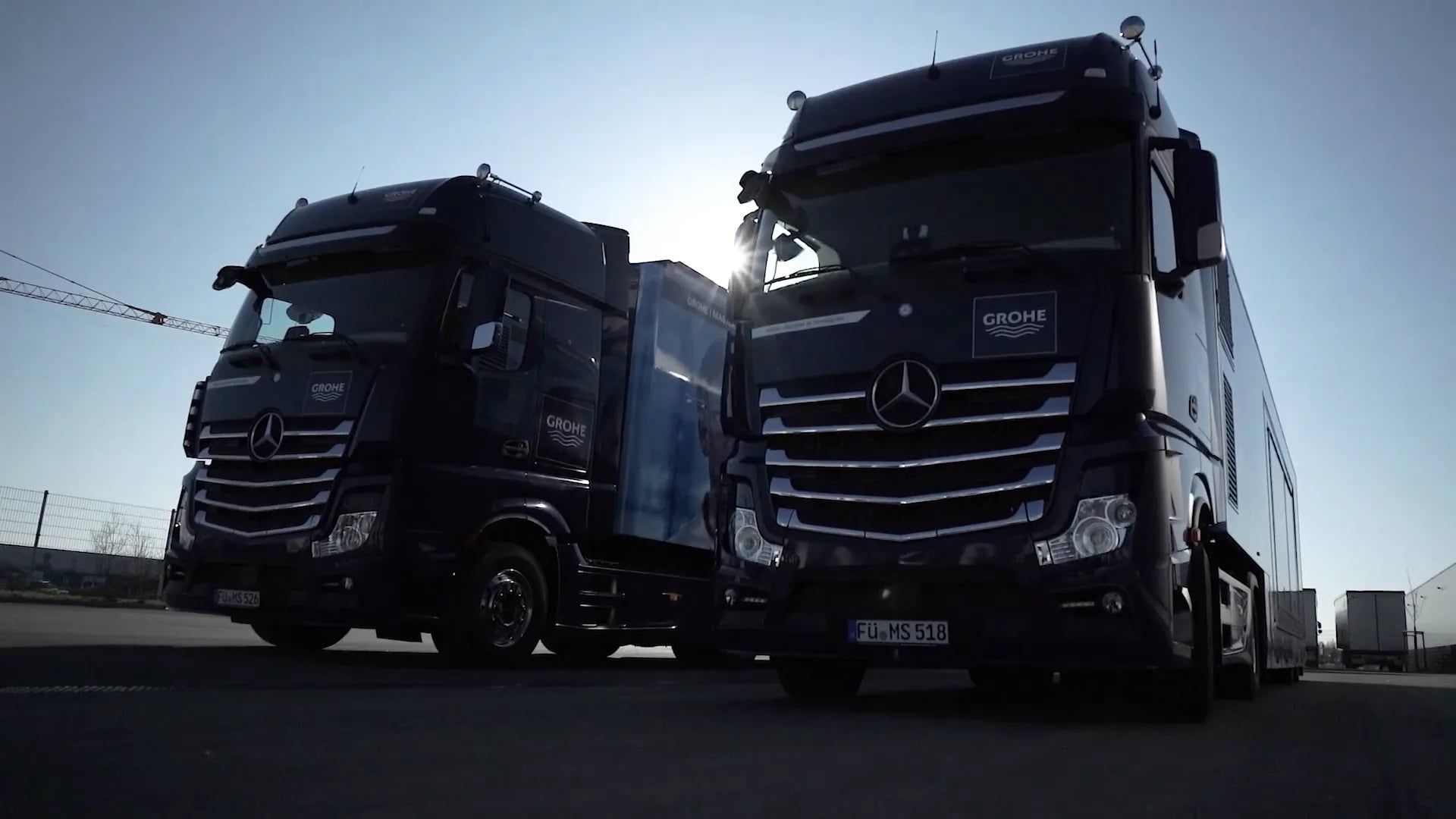
Flexible to use. Mobile exhibition stand, mobile showroom, showroom on wheels or workshop on tour: a roadshow can be tailored to your branding and adapted at any time. There is no stand to build before each event, and the vehicle is ready to go quickly, across Europe or even worldwide. A few examples:
- Google Cloud: a Europe-wide tour that let decision-makers try out the full range of Google Cloud services for themselves.
- Zeiss: a vehicle for ophthalmology, travelling directly to doctors and business partners.
- AEG: a homely showroom where professional chefs demonstrated the product range live to industrial customers.
- BearingPoint: under the motto "We take ideas on the road", an innovation truck toured to IT decision-makers, interested visitors and future employees.
Cheaper than you might think. Many companies assume a roadshow is out of reach. Calculations carried out with clients show, however, that a four-day trade fair can cost roughly as much as a roadshow of up to three months across Germany. Because you speak to your target audience directly, every euro goes further.
Personal contact. Digital formats do not replace a face-to-face conversation. With a roadshow, decision-makers do not have to travel: they see products, services and concepts at their own premises. That builds closeness and loyalty.
How to make a roadshow work
It starts with the concept. Answer three questions:
- Who do we want to reach?
- Where do we stop, for how long and with what message?
- What is the "why" behind our presence?
Then comes the implementation:
- Design: interior and exterior of the showtruck or trailer.
- Technology: interactive presentations, VR stations, information panels, samples to handle.
- Logistics: schedules, routes and staff, all aligned with the KPIs you set beforehand.
For cost planning, we have built a potential calculator based on our experience. It shows what your roadshow will cost and what return on investment you can expect, so you can plan early and see what your budget achieves.
During and after the tour, you measure the results:
- Live data: who visits the showtruck, how do they respond, which leads are particularly valuable?
- Follow-up: connection to CRM systems or marketing automation, so that contacts turn into orders.
Tip: combine your roadshow with digital campaigns, social media or other events. You will attract more attention and learn what interests your target audience and when you can best reach them.
At a glance
- Budget: for the same spend, a roadshow often achieves considerably more than a trade fair.
- Independence: you decide the location, timing and programme, regardless of the trade fair calendar.
- Scalable: from a small van to a large truck, the concept adapts to your sector and budget.
- Measurable: the potential calculator and live data show KPIs and ROI.
- Customer loyalty: personal contact right at the customer's door.
Would you like to find out what a roadshow could do for your company? Book a free consultation with us.