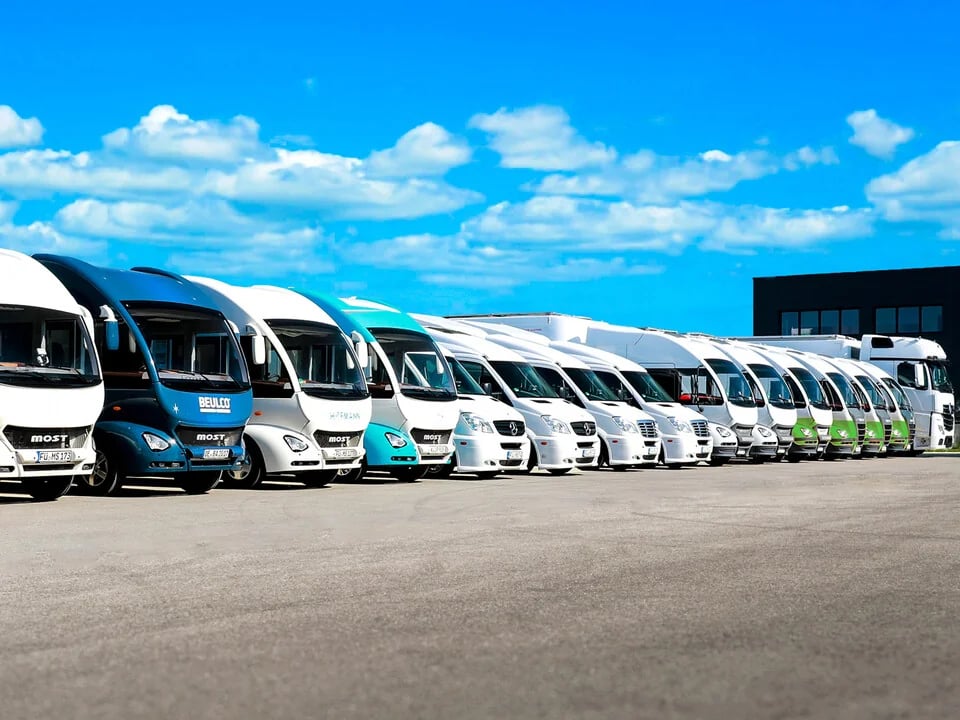
Idea, outline, backward planning, detailed concept: the questions to settle before your roadshow and how to choose the right showtruck and supplier.
Contents
A good roadshow idea gets people excited. It meets your target groups, your partners and your own company where they are, quite literally. It lays the foundation on which all logistical and operational planning is built. This checklist shows how to turn that idea into a reliable roadshow plan.
Whether it is a product launch, training course or promotion, and whether it runs for a few months or a year and more: every roadshow starts with a strong idea.
It helps to look at it from your future guests' point of view. What do you need to offer so that they speak well of the event afterwards? What will get them excited? The better the idea works for your audience and within the given constraints, the more lasting the roadshow's success.
Why a roadshow?
A roadshow frees you from fixed trade fair dates and inflexible venues. You can present new products to your customers wherever and whenever it suits. A showtruck is the right platform for this:
- It is a flexible meeting point for customers, prospects and partners, tied to no particular place or date.
- As a room on wheels, it can be fitted out to your requirements in a short time.
- As a mobile showroom, it is a simple and versatile form of live communication.
If you work through the following points carefully during preparation, you set the stage for a strong appearance.
The outline concept
Once the idea is settled, the outline concept follows. It covers all the key logistical and operational conditions. The core questions are:
- How many events are needed to reach the objectives reliably?
- Over what period should the objectives be reached?
- How should each event run, how many participants can you expect, and how will they be spread across the week and the day?
- At which sites, public or private, with how much space and what access routes, should the roadshow take place?
- Which vehicle size is best suited to reaching the objectives under these conditions?
Objectives, logistical conditions and the resulting vehicle requirements should be clearly defined. This is essential for the detailed concept later on.
The more lead time you have for research, creative work and administration, the more thoroughly you can plan. Allow about three months, which also covers the approval process on the client side.
Backward planning
With enough lead time, you can draw up the backward plan calmly. Once the start date is fixed, a so-called T-plan shows the main planning steps, counting back from the launch.
It pays to link the launch to an occasion that brings the roadshow extra attention. That way your target audience and key market players are already aware of it beforehand.
The detailed concept and choosing the showtruck
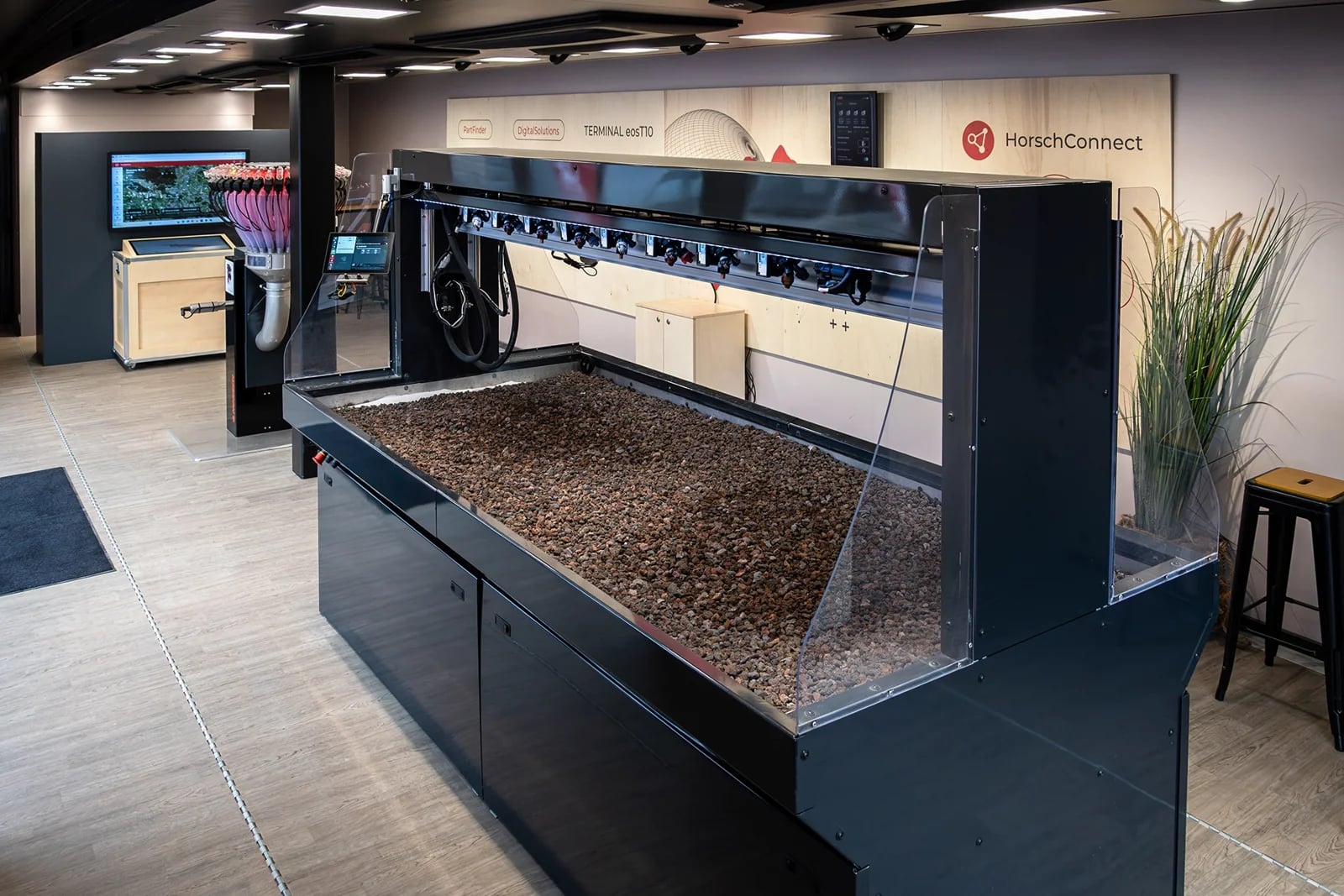
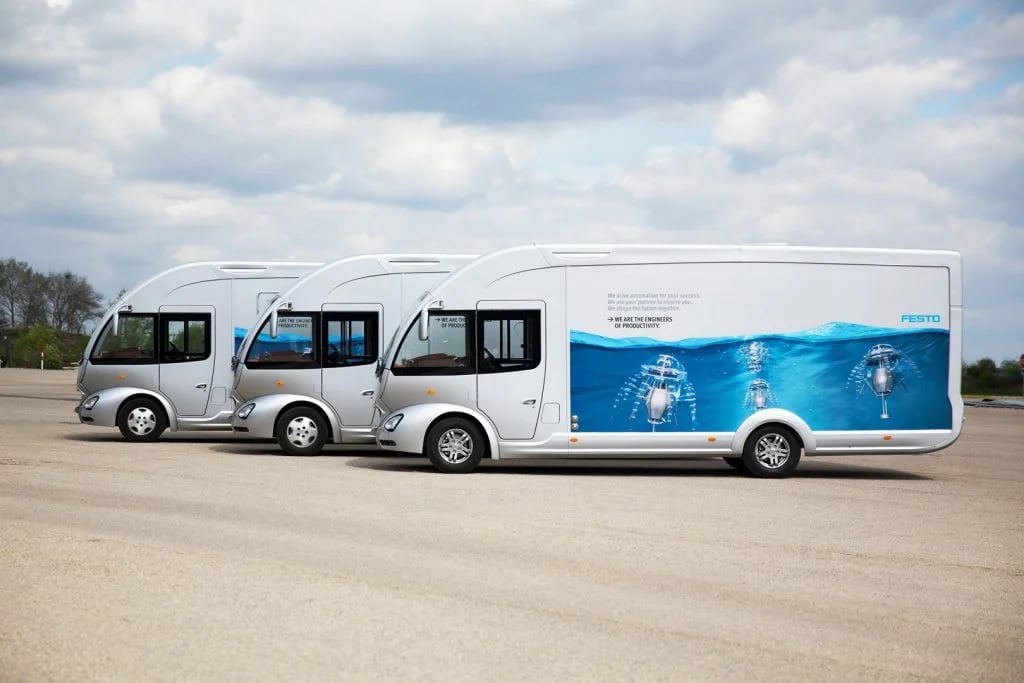
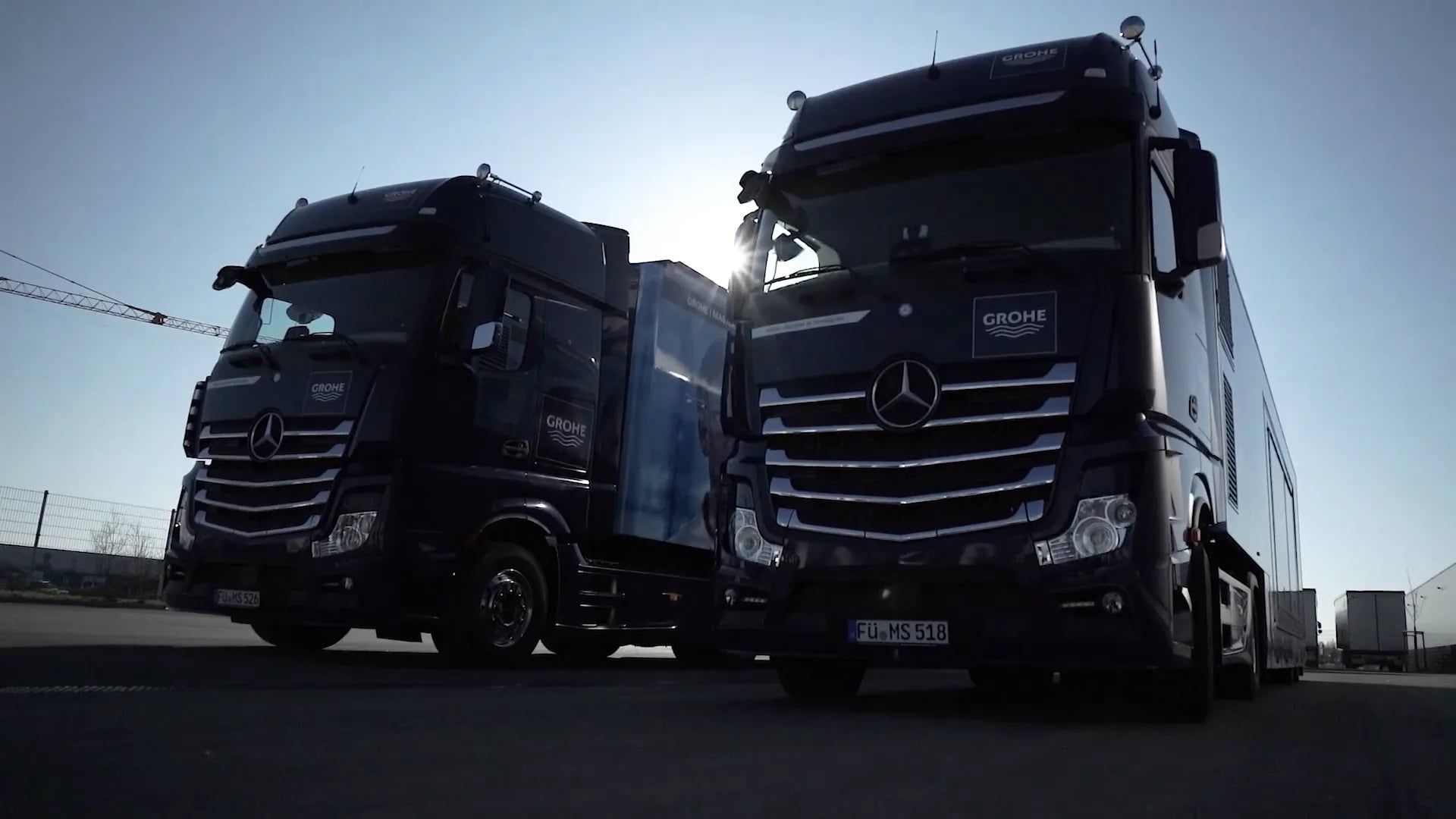
With the backward plan in hand, you move on to the detailed concept. This is where you choose the showtruck and develop a feel for the space. A strong appearance needs a vehicle that suits both your company and the campaign.
The priority is to draw up a short list of suppliers and vehicle models early on. Answer these questions as you go:
- What does the mobile showroom or showtruck need to do, technically and functionally?
- How quickly can the vehicle be ready for use on site?
- Which partner, with which vehicle solution, should make the roadshow a success?
- When will the chosen vehicle model be available for interior fit-out and branding, so that the start date can be met?
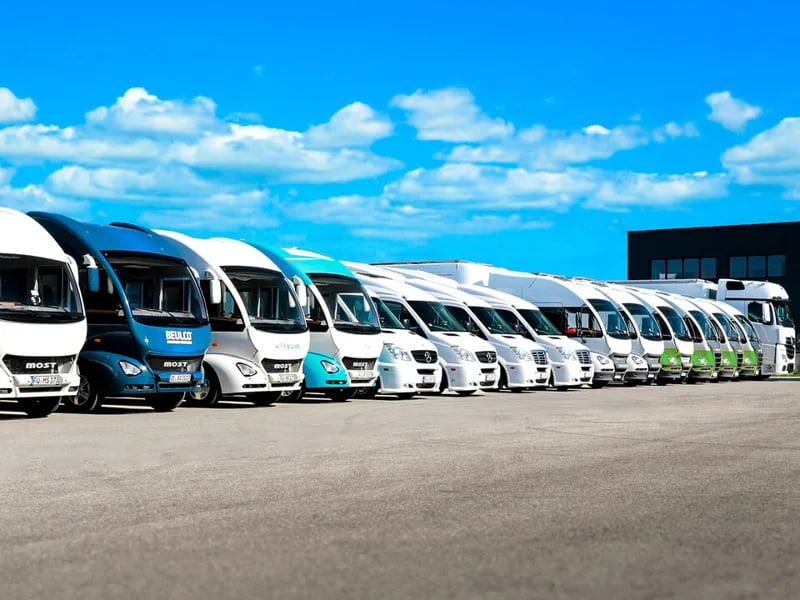
There are not many suppliers of high-quality showtrucks with the right range of services. Even so, the decision needs care, because the success of the project depends on it.
Find the right supplier
Check suppliers thoroughly, including their financial stability. And make sure you see the supplier and its vehicle solutions for yourself on site.
Choose the right vehicle size
A showtruck cannot be compared one to one with an exhibition stand. It has to offer the right atmosphere, the right amount of space and all the technical features you need. It should also be easy to set up, take down and move, ideally by a single person, the truck manager. So when choosing a vehicle, settle every question about practical handling, from transfer to set-up and dismantling.
Experience the space in person
Visit the suppliers on your short list before placing the order. Look at the vehicles and workshops and ask to see reference projects. Nothing replaces the feel for a space that you get on site.
For a convincing appearance, everything behind the scenes has to work together: the vehicle solution, the interior and exterior design, and the entire logistics.